At Michelle Crilly Family Law, we understand that reaching out to a solicitor often comes during a stressful or uncertain time. Whether you’re facing a separation, dealing with child arrangements, or navigating financial concerns, having the right information can make all the difference.
Here are five of the most common questions our clients ask — and the clear, practical answers we give every day.
Do I need a solicitor to get a divorce?
While it’s possible to file for divorce yourself, having a solicitor ensures the process runs smoothly and that your financial and parental arrangements are handled correctly. Divorce is not just about ending a marriage — it’s about securing your future. We guide clients through the paperwork, timelines, and financial settlements, ensuring nothing is overlooked.
How are assets divided after separation?
There’s no automatic 50/50 rule, but fairness is the goal. The court considers factors such as income, property, pensions, and the needs of any children. At Michelle Crilly Family Law, we work to achieve a balanced agreement — whether through negotiation, mediation, or court representation — so that you can move forward with stability and peace of mind.
Who decides where the children live?
If parents can’t agree on arrangements, the court’s priority will always be the best interests of the child. This may involve considering factors such as age, schooling, and the relationship with each parent. Our approach is child-centred — we encourage cooperation between parents and provide firm, compassionate representation when needed.
How much will it cost?
We know that legal costs are a key concern. That’s why we’re upfront about fees from the very beginning. We offer transparent pricing, flexible payment options, and a clear breakdown of costs — no surprises. Every client deserves quality legal support that’s both professional and accessible.
Here to Help You Move Forward
Every family situation is unique, but one thing remains constant: our commitment to supporting you with expertise, empathy, and discretion.
If you have questions about divorce, separation, child arrangements, or any aspect of family law, contact Michelle Crilly Family Law today — we’re here to listen and to help.
At Michelle Crilly Family Law, we provide compassionate, expert guidance through all aspects of family law, including financial matters arising from separation and divorce. If you need advice about protecting your financial interests during separation, contact us today for a confidential consultation.
Domestic abuse can take many forms — physical, emotional, financial, or psychological. It can happen in any relationship, regardless of age, gender, or background. Recognising that what you’re experiencing is abuse is often the first, and hardest, step. The next is knowing that you are protected by law, and that help is available.
At Michelle Crilly Family Law, we understand that leaving an abusive relationship or taking legal action can feel overwhelming. This article explains your key legal protections and the practical steps you can take to safeguard yourself and your family.
What the Law Says
In Northern Ireland, the law recognises that domestic abuse isn’t limited to physical violence. Under the Domestic Abuse and Civil Proceedings Act (Northern Ireland) 2021, abuse includes:
Controlling or coercive behaviour
Threats and intimidation
Financial control
Emotional or psychological harm
This law ensures that patterns of abusive behaviour — not just isolated incidents — are taken seriously, and perpetrators can face criminal charges.
Protective Court Orders
If you’re in immediate danger or need legal protection, you may be able to apply for one or more of the following court orders:
1. Non-Molestation Order
A Non-Molestation Order is designed to protect you (and any children) from harassment, threats, or violence. It can prohibit your abuser from:
Coming near your home or workplace
Contacting you directly or indirectly
Using or threatening violence against you
This order can be granted quickly in urgent cases, often without the other party being notified initially.
2. Occupation Order
An Occupation Order determines who can live in the family home. It can:
Exclude the abusive partner from the property
Set out who has the right to stay in the home
Offer you breathing space to make longer-term arrangements
These orders can last for a set period or be extended if the court believes you’re still at risk.
Emergency Help
If you are in immediate danger, always call 999. Police in Northern Ireland are trained to handle domestic abuse sensitively and can take steps to protect you right away.
You can also contact:
Women’s Aid NI – 24/7 support and refuge services
The Domestic and Sexual Abuse Helpline – 0808 802 1414
Men’s Advisory Project NI – confidential support for men experiencing abuse
How We Can Help
At Michelle Crilly Family Law, we provide confidential, compassionate, and practical legal advice to help you move forward safely. We can assist you in:
Applying for emergency protection orders
Liaising with the police or other agencies
Addressing child custody and financial matters in abusive situations
Every case is handled with the utmost sensitivity and discretion. You are not alone — we will help you navigate the legal process and take back control of your life.
Take the First Step Today
If you are experiencing domestic abuse or are worried for someone you love, please reach out. Contact Michelle Crilly Family Law in confidence to discuss your options and get the protection you deserve.
At Michelle Crilly Family Law, we provide compassionate, expert guidance through all aspects of family law, including financial matters arising from separation and divorce. If you need advice about protecting your financial interests during separation, contact us today for a confidential consultation.
Going through a separation is one of life’s most challenging experiences, and the financial implications can feel overwhelming. At Michelle Crilly Family Law, we understand that protecting your financial security during this difficult time is crucial for your future wellbeing and that of your children.
Take Immediate Steps to Safeguard Your Assets
The moment you decide to separate, it’s essential to take proactive steps to protect your financial position. Start by gathering all important financial documents including bank statements, mortgage papers, pension statements, insurance policies, and tax returns from the past three years. Create copies and store them securely, as you’ll need these for any financial settlement discussions.
Understand Your Joint Financial Commitments
Make a comprehensive list of all joint debts, mortgages, credit cards, and ongoing financial commitments. Contact your mortgage lender and other creditors to inform them of your separation, and seek advice about how to manage these obligations going forward. Remember that you remain jointly liable for joint debts regardless of who agreed to pay them in any temporary arrangement.
If you have joint credit cards, consider whether these should be cancelled or frozen to prevent your ex-partner from running up additional debt that you could be held responsible for. However, be mindful that closing accounts can affect your credit rating, so seek professional advice before taking action.
Plan for Your Immediate Financial Needs
Separation often means transitioning from a two-income household to managing on one income, which can be a significant adjustment. Create a realistic budget that reflects your new circumstances, including housing costs, utilities, food, transport, and childcare if applicable.
If you’re struggling to meet immediate expenses, explore what financial support might be available to you. This could include benefits, tax credits, or maintenance from your ex-partner. Don’t be afraid to ask for help during this transition period – there are support systems designed to assist people in your situation.
Consider the Family Home
The family home is often the most valuable asset in a marriage, and decisions about what happens to it can have long-term financial implications. Whether you stay in the property, sell it, or transfer ownership will depend on various factors including your financial resources, childcare arrangements, and long-term housing needs.
If you’re staying in the family home temporarily, understand that this doesn’t automatically mean you’ll keep it permanently. Conversely, leaving the property doesn’t mean you’ve given up your legal rights to it. These are complex decisions that should be made with proper legal and financial advice.
Pension Rights and Long-term Security
Pensions are often overlooked during separation, but they can represent a significant portion of a couple’s wealth. You may have rights to a share of your ex-partner’s pension, or they may have rights to yours. Pension sharing orders can be made as part of financial proceedings, allowing you to receive a portion of your ex-partner’s pension as your own asset.
Don’t neglect your own pension contributions during separation proceedings. While money may be tight, maintaining contributions to your retirement fund is important for your long-term financial security.
Seek Professional Advice Early
While it may seem like an additional expense during an already costly time, seeking professional legal and financial advice early in the separation process can save you money and stress in the long run. A qualified family lawyer can help you understand your rights and options, while a financial advisor can help you plan for your future financial needs.
Protect Yourself from Financial Abuse
Financial abuse is more common than many people realise and can continue or even escalate during separation. This might include hiding assets, running up debts in your name, or preventing you from accessing money you’re entitled to. If you suspect financial abuse, seek immediate legal advice about protective measures such as freezing accounts or seeking court orders.
Keep detailed records of any financial abuse or suspicious activity, as this evidence may be important in legal proceedings. Don’t suffer in silence – there are legal remedies available to protect you and your financial interests.
Moving Forward with Confidence
While separation inevitably brings financial challenges, taking proactive steps to protect your interests can help ensure you emerge from the process in the strongest possible position. Remember that financial settlements don’t have to be decided immediately, and you have time to seek advice and consider your options carefully.
The key is to stay informed, seek professional guidance when needed, and make decisions based on your long-term financial security rather than short-term emotions. With the right support and advice, you can navigate this difficult time and build a secure financial future for yourself and your family.
At Michelle Crilly Family Law, we provide compassionate, expert guidance through all aspects of family law, including financial matters arising from separation and divorce. If you need advice about protecting your financial interests during separation, contact us today for a confidential consultation.
Going through a divorce can feel overwhelming, but understanding the process can help make it less daunting. In Northern Ireland, divorce is granted through the courts, and there are specific steps you’ll need to take.
Step 1: Establishing Grounds for Divorce
You must show that the marriage has irretrievably broken down. The court recognises five legal grounds:
Unreasonable behaviour
Adultery
Desertion (for at least 2 years)
2 years’ separation with consent
5 years’ separation without consent
Step 2: Filing a Petition
The spouse starting proceedings (the petitioner) files a divorce petition with the court. This document sets out the ground(s) for divorce.
Step 3: Serving the Petition
The other spouse (the respondent) will receive a copy of the petition and has the opportunity to respond.
Step 4: Financial and Child Arrangements
Alongside the divorce itself, the court can deal with financial settlements (property, pensions, savings, debts) and child arrangements (custody, residence, contact). These matters often require negotiation or mediation before being finalised by the court.
Step 5: Court Hearing
In most cases, if both parties agree, the divorce will be uncontested and dealt with by a judge in chambers. Contested divorces may require a full hearing.
Step 6: Decree Nisi and Decree Absolute
If the judge is satisfied, a Decree Nisi (provisional order) is granted. After a minimum of 6 weeks, you can apply for the Decree Absolute, which legally ends the marriage.
Practical Tips
Remember: divorce is a legal process; emotional support from family, friends, or counselling can also make a big difference.
Gather key documents early: marriage certificate, financial records, proof of separation.
Consider mediation to resolve disputes before going to court.
Take legal advice on financial settlements – pensions and property are often overlooked.
Keep children’s wellbeing at the centre of decisions.
The back-to-school season brings extra challenges for families going through separation or divorce. At Michelle Crilly Family Law, we understand that your children’s wellbeing is your top priority during this difficult time.
Key Considerations for Separated Parents
Stability and Routine: Children need predictability during family changes. Use the new school year to establish consistent patterns that work across both homes.
Communication: Keep teachers informed about your family situation so they can provide appropriate support. Share important school information with both parents to ensure everyone stays involved.
School Events: Plan ahead for parent-teacher conferences, sports days, and school plays. These moments are about celebrating your child’s achievements – focus on them, not personal disputes.
Finances: Agree early on who pays for uniforms, books, trips, and activities to prevent future conflicts. Consider setting up a shared account for school expenses.
Emotional Support: Watch for signs of stress in your child and maintain open communication about their feelings. School counselling services can provide additional support when needed.
Top Tips for Back-to-School Success During Separation/Divorce:
Stay flexible – be willing to adjust arrangements if they’re not working for your child
Establish clear school pickup and drop-off arrangements – consistency helps children feel secure
Share important school information – both parents should receive newsletters, reports, and event notifications
Create a shared calendar for school events, parent-teacher conferences, and extracurricular activities
Maintain similar homework routines in both homes to avoid confusion
Plan ahead for school trips and special events – discuss attendance, permissions, and costs early
Focus on your child’s achievements – celebrate successes together when possible
Establish clear financial agreements for school-related expenses to avoid disputes
Consider your child’s emotional needs – be prepared to seek additional support if needed.
As technology companies introduce tougher online safety regulations, parents find themselves navigating an increasingly complex digital landscape. While new age verification systems and content moderation policies provide important protections, parents remain legally responsible for their children’s online safety.
Parental Responsibility in the Digital Age
From a family law perspective, the duty of care parents owe their children extends into the digital realm. Courts increasingly consider a parent’s approach to online supervision when making custody decisions, making digital safeguarding not just good parenting but a legal necessity.
Parental responsibility now includes monitoring children’s online activities with age-appropriate oversight, educating them about digital risks and appropriate behaviour, and setting clear boundaries around screen time and social media use.
Digital Safety and Family Breakdown
When relationships end, online safety becomes another area requiring careful consideration in custody arrangements. Family courts are addressing questions such as which parent has authority over a child’s social media accounts and how parents should communicate about digital safety concerns.
In my practice, disputes over children’s online activities have become significant sources of conflict between separated parents. Courts favour arrangements ensuring consistent online safety standards across both households.
Beyond Technology Company Protections
While platforms must implement better age verification and content filtering, parents cannot rely solely on these measures. Children are often more digitally naive than their parents, and technology moves faster than legislation. Parents remain the primary guardians of their children’s welfare online and can face legal consequences for inadequate supervision.
Practical Legal Advice
Keep detailed records of online safety measures you implement and any incidents that occur – this documentation can be crucial in family law proceedings.
Ensure your digital boundaries are consistent and reasonable, as courts favour parents who demonstrate thoughtful approaches to online supervision.
If you disagree with a co-parent about digital boundaries, seek professional legal advice before issues escalate.
Remember that while children’s privacy rights develop as they mature, safety always takes precedence.
Tougher online regulations provide important protections, but cannot replace parental guidance and supervision. Parents must remain actively engaged in their children’s digital lives while understanding that protecting children online ultimately maintains the fundamental principle that children’s welfare comes first, whether in the physical or digital realm.
Top Tips to Stay Safe Online
Keep your personal details private. Don’t share your full name, address, school, phone number or other personal information online – it can be misused by strangers.
Only talk to people you actually know. Stick to chatting with friends and family online, and tell a parent or trusted adult straight away if someone you don’t know tries to contact you.
Don’t click dodgy links or download random files. Suspicious links and unknown downloads can contain viruses or lead to harmful websites that could damage your device or steal your information.
Trust your gut and speak up. If something online makes you feel worried, scared or uncomfortable, tell a parent, teacher or another trusted adult immediately – they’re there to help keep you safe.
Be careful what you post and share. Remember that photos, messages and videos can be screenshot and shared by others, even if you delete them later.
Use strong passwords and keep them secret. Create different passwords for different accounts and don’t share them with friends – only trusted adults should know them if necessary.
Think before you meet anyone in person. Never arrange to meet someone you’ve only chatted to online without telling your parents first and having them come with you.
Report and block nasty behaviour. If someone is being mean, sending inappropriate content or making you uncomfortable, block them and report it to the platform and a trusted adult.
The farming community faces unique challenges that can place enormous strain on family relationships. At a recent agricultural seminar hosted by the Agricultural Law Association at the Glenavon Hotel in Cookstown, the spotlight was firmly placed on the mental health and wellbeing of farmers and their families – highlighting an issue that deserves our urgent attention and support.
The Hidden Pressures of Modern Farming
Farming is more than just a profession – it’s a way of life that affects every aspect of family dynamics. The pressures facing today’s agricultural families are multifaceted and intense:
Financial Uncertainties – Fluctuating commodity prices, unpredictable weather patterns, and rising operational costs create constant financial stress that ripples through family life.
Work-Life Balance Challenges – The demanding nature of agricultural work, often requiring long hours and seven-day weeks, can strain marriages and parent-child relationships.
Generational Expectations – Family farms carry the weight of tradition and legacy, creating additional pressure on relationships when different generations have conflicting visions for the future.
Isolation and Mental Health – Rural isolation can compound stress, making it difficult for farming families to access support when relationships begin to break down.
When Family Relationships Reach Breaking Point
These mounting pressures can unfortunately lead to the breakdown of marriages and partnerships within farming communities. When this happens, families need specialist legal support that understands both the emotional complexities and the unique practical challenges involved.
How Michelle Crilly Family Law Can Help
Separation and Divorce Services
We provide compassionate, expert guidance through the legal process of separation and divorce, understanding that for farming families, this often involves complex considerations around business assets, land ownership, and family legacy.
Judicial Separations
For couples who may not wish to divorce but need formal legal separation, we can guide you through the judicial separation process, ensuring your rights and interests are protected whilst maintaining the flexibility you may need.
Financial Settlements
Agricultural assets present unique challenges in financial settlements. We work with agricultural valuers and financial experts to ensure fair division of assets, taking into account the working nature of farm enterprises and their ongoing viability.
Child Custody and Living Arrangements
Perhaps the most sensitive aspect of any family breakdown involves decisions about children. We help families navigate:
Residence arrangements – determining where children will live following separation
Contact schedules – ensuring both parents maintain meaningful relationships with their children
Education and upbringing decisions – particularly relevant for farming families considering rural versus urban schooling options
Future involvement in family farming enterprises – ensuring children’s long-term interests in family assets are protected
A Sensitive Approach to Agricultural Family Law
We understand that farming families face unique circumstances that require a tailored approach. Our services recognise that:
Timing matters – Agricultural cycles and seasonal demands affect when and how legal proceedings can be managed
Privacy is paramount – Rural communities are tight-knit, and we ensure discretion throughout the process
Business continuity is crucial – We work to protect the ongoing viability of agricultural enterprises during family transitions
Emotional support is essential – We collaborate with counsellors and mental health professionals who understand agricultural pressures
Mental Health and Wellbeing: A Priority
The recent emphasis on mental health and wellbeing within the agricultural sector reflects a growing awareness of the unique stressors facing farming families. Legal separation or divorce proceedings can add to this stress, which is why we take a holistic approach that considers not just the legal aspects, but the emotional and practical wellbeing of all family members involved.
Moving Forward with Confidence
Family breakdown is never easy, but with the right legal support, farming families can navigate these difficult times whilst protecting their interests and those of their children. Our goal is to help families find solutions that allow everyone to move forward with dignity and security.
If you’re a farming family facing relationship difficulties, please don’t suffer in silence. Early intervention and professional support can often help preserve relationships, and when that’s not possible, ensure that separation is handled with minimal disruption to family life and agricultural operations.
Michelle Crilly Family Law provides specialist family law services with particular understanding of the unique challenges facing agricultural and rural families. For confidential advice and support, contact us to discuss how we can help your family navigate these difficult times.
Remember: You don’t have to face these challenges alone. Professional help is available, and seeking support is a sign of strength, not weakness.
The Public Prosecution Service (PPS) has released an updated Policy for Prosecuting Cases of Domestic Abuse, providing guidance on the prosecution process, victim support, and legal protections available.
Dr Richard Scullion, Head of Policy and Information at the PPS, emphasised the serious and lasting impact of domestic abuse, noting that in 2022/23, these cases accounted for over a fifth of the PPS’s caseload. He reaffirmed the PPS’s commitment to prioritising victim safety and holding perpetrators accountable.
The updated policy reflects the Domestic Abuse and Civil Proceedings Act (Northern Ireland) 2021, which criminalises not only physical and sexual violence but also coercive control, psychological, emotional, and financial abuse. This ensures legal protection extends beyond physically violent behaviour.
Recognising the difficulties victims face in coming forward, Dr Scullion highlighted that PPS prosecutors receive specialised training to handle these cases with fairness, sensitivity, and empathy. The PPS works closely with the Police Service of Northern Ireland to support victims and ensure their safety throughout the prosecution process.
Victims and witnesses can also access Special Measures, including giving evidence remotely or from behind a screen, to help them feel safer in court. The Victim and Witness Care Unit provides a dedicated point of contact from the moment a case is received to its conclusion, while specialist organisations offer practical and emotional support.
Dr Scullion urged anyone experiencing domestic abuse to seek help: “Don’t suffer alone – please report what has happened to the police.”
The legal aid system in Northern Ireland is on the verge of collapse, warns David Lavery, Chief Executive of the Law Society of Northern Ireland. Speaking to the Justice Committee on 13 February 2025, he called for urgent intervention to prevent irreparable harm to access to justice.
The Crisis at Hand
For three years, the Law Society has warned of “legal aid deserts”—areas where individuals struggle to find legal representation due to stagnant legal aid fees. While the Enabling Access to Justice programme is a step forward, immediate measures are needed.
An independent report by Hook Tangaza Consultancy confirms that criminal legal aid is financially unsustainable, forcing solicitors to withdraw from cases. Mr. Lavery and colleagues have urged the Justice Minister to ensure that the recently announced 16% fee increase applies to all ongoing cases and to commit to a full legal aid review.
Law Society’s Key Demands
Immediate implementation of the 16% legal aid fee increase across all cases.
A full independent review of legal aid fees.
An urgent review of legal aid in family law cases.
“The Department of Justice has delayed action for too long,” said Mr. Lavery. “Without urgent intervention, access to justice will be compromised.”
At Michelle Crilly Family Law, we support the Law Society’s call for immediate action to protect those who rely on legal aid. The time to act is now.
Michelle Crilly Family Law is dedicated to supporting families through every stage of the legal process. With extensive experience in divorce and custody matters, our team offers personalised legal solutions tailored to your specific needs.
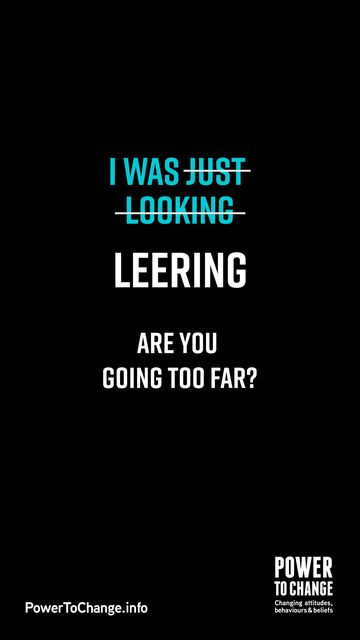
On January 29, 2025, The Power to Change campaign launched in Northern Ireland, urging men and boys to reflect on their behaviors and take action against gender-based violence. Led by the Police Service of Northern Ireland, the Department of Justice, and the Executive Office, this initiative promotes accountability and intervention.
A Call for Change
Between 2019 and 2024, 32 women and girls in Northern Ireland were killed by men, with 92 attempted murders recorded. The campaign calls on men to:
Challenge harmful attitudes – Recognise how actions impact women and take responsibility.
Be Active Bystanders – Intervene safely when witnessing inappropriate behavior.
Leadership Voices
Chief Constable Jon Boutcher stated: “Women are not responsible for preventing harassment. Men must reflect on their own and others’ behaviors.”
Justice Minister Naomi Long emphasized: “Legislation helps, but changing attitudes is key.”
First Minister Michelle O’Neill added: “Misogynistic behaviour must be tackled at its root.”
How to Get Involved
A dedicated website, www.powertochange.info, offers resources and interactive quizzes to help individuals take action.
Change begins with you. Step up, speak out, and make a difference.
Michelle Crilly Family Law is dedicated to supporting families through every stage of the legal process. With extensive experience in divorce and custody matters, our team offers personalised legal solutions tailored to your specific needs.
“I was extremely pleased that my case was carried out in a completely professional and efficient manner and throughout my case, I was treated with consideration and my Solicitor was particularly personable and friendly towards me”. - Anonymous
Michelle Crilly Family Law
5
2019-02-07T14:56:31+00:00
“I was extremely pleased that my case was carried out in a completely professional and efficient manner and throughout my case, I was treated with consideration and my Solicitor was particularly personable and friendly towards me”. - Anonymous
https://mcrillylaw.co.uk/testimonials/name-1/
“We were extremely satisfied with your service and you kept us informed every step of the way during our case. Everything was dealt with efficiently and professionally. We would recommend this firm and thank you for all of your help throughout the case” - Anonymous
Michelle Crilly Family Law
5
2019-02-07T15:05:08+00:00
“We were extremely satisfied with your service and you kept us informed every step of the way during our case. Everything was dealt with efficiently and professionally. We would recommend this firm and thank you for all of your help throughout the case” - Anonymous